 by
by Set deep in Central Australia, Uluru-Kata Tjuta National Park is more than just a natural wonder. It’s a deeply sacred site to the Anangu people, the Traditional Owners who have lived in the region for tens of thousands of years. When visiting this breathtaking sandstone monolith—also known as Ayers Rock—it’s vital to understand not just what to do, but also what isn’t allowed.
Whether you’re on an Uluru tour, self-driving from Alice Springs, or flying into Ayers Rock Airport, knowing what’s prohibited at Uluru helps preserve its cultural integrity, ecological balance, and the safety of all visitors.
In this travel guide, we’ll walk through the key activities and behaviours that are not permitted at Uluru, why these rules exist, and what alternatives are available for a meaningful visit.
Climbing Uluru Is Strictly Prohibited
Why It’s Not Allowed:
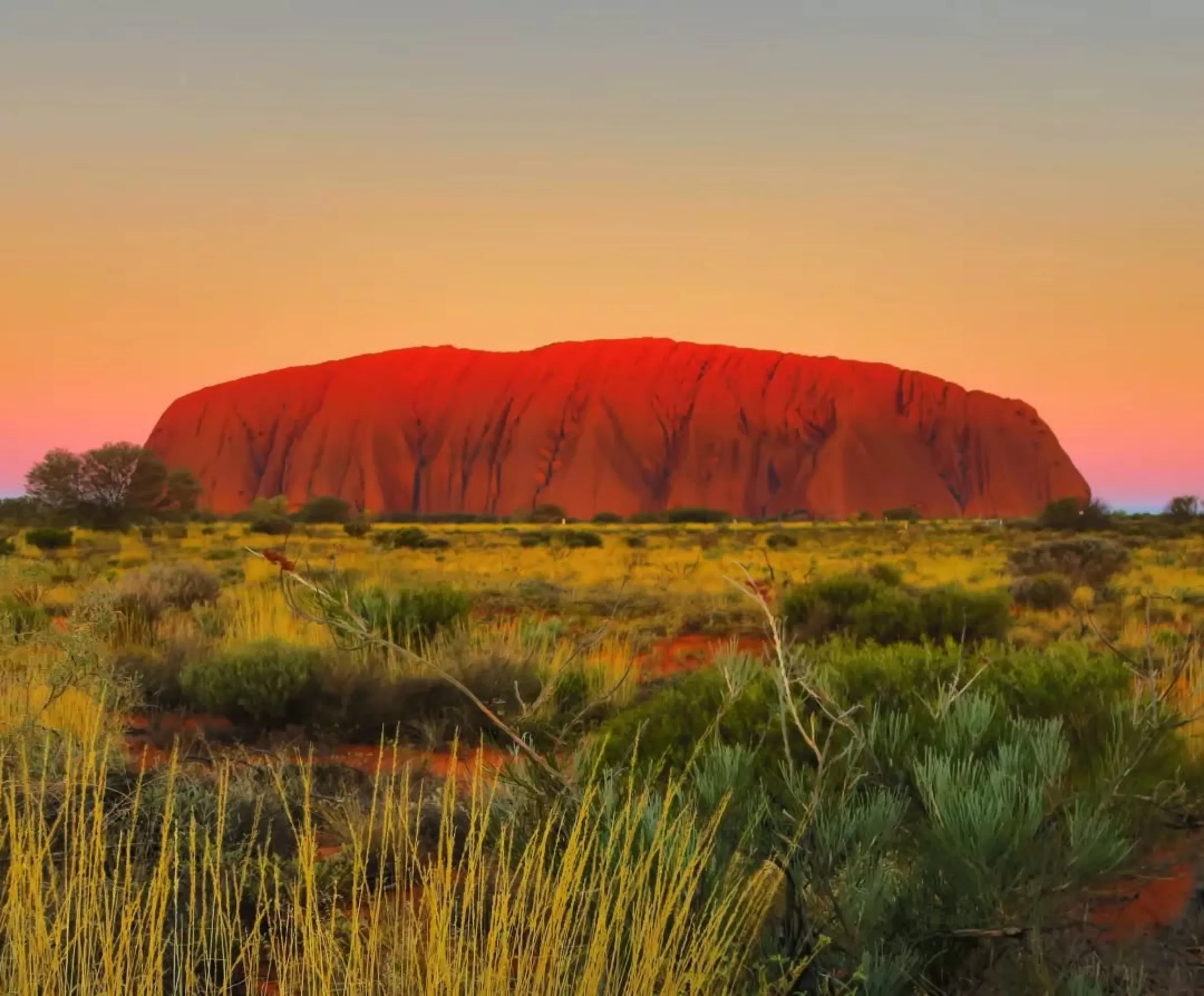
Climbing Uluru has been officially banned since 26 October 2019. The Anangu people have long requested that visitors not climb the rock, as it holds deep spiritual significance. The climb also caused environmental degradation and posed safety risks—more than 30 people died attempting it over the decades.
Alternative:
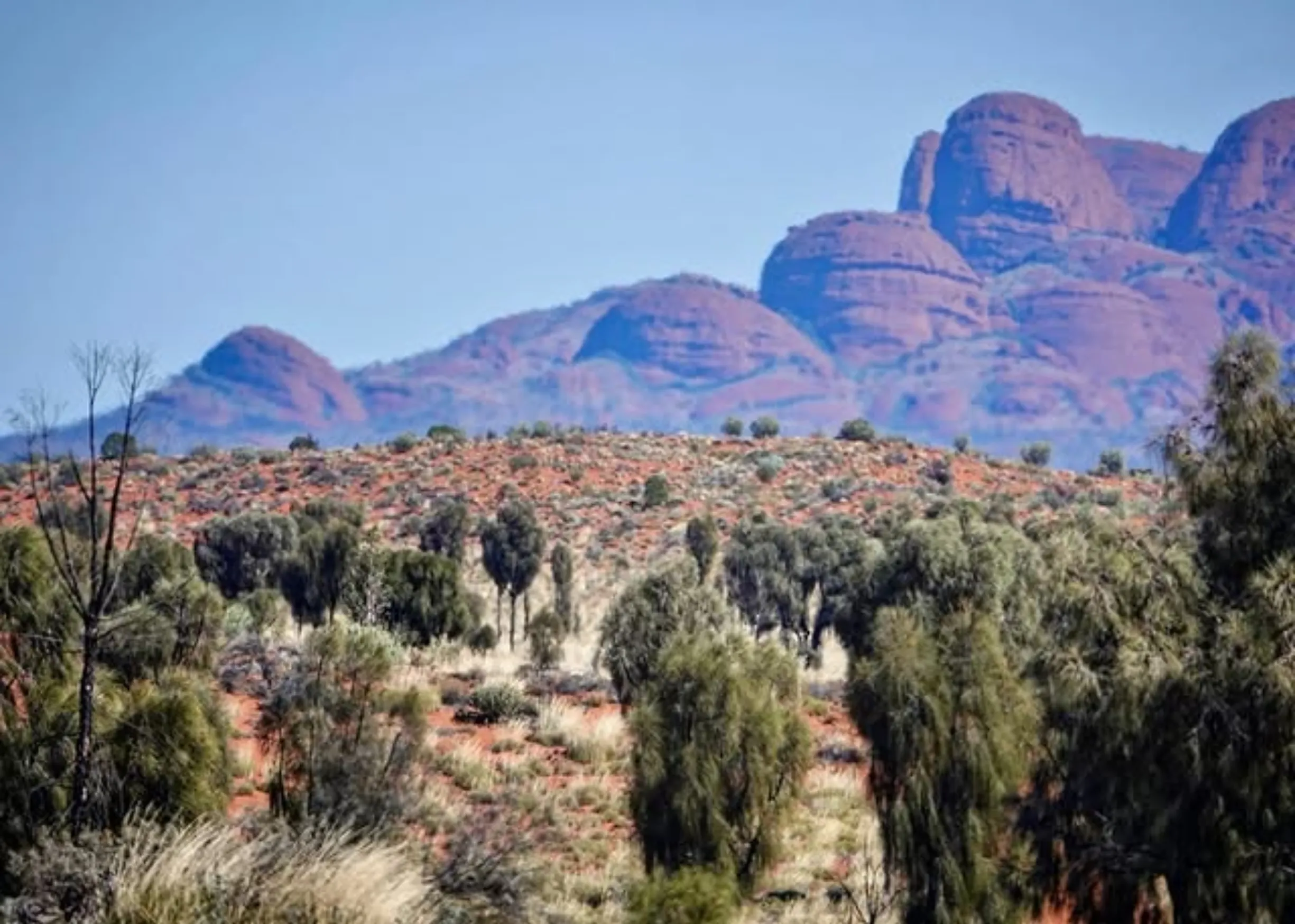
Take the Uluru Base Walk, a 10.6 km loop around the rock’s base that provides incredible views, access to sacred sites (from a respectful distance), and interpretive signage. Rangers and Indigenous guides often offer insight along the way.
A popular option is the 2 day Uluru tour from Alice Springs, which includes interpretive walks and cultural stops.
Photography Restrictions in Sacred Areas
Why It’s Not Allowed:
Certain sites around Uluru and Kata Tjuta are gender-restricted or sacred, meaning they’re off-limits for photography. These restrictions protect Anangu Tjukurpa (law, stories, and knowledge), especially areas associated with ceremonial activities.
What to Do Instead:
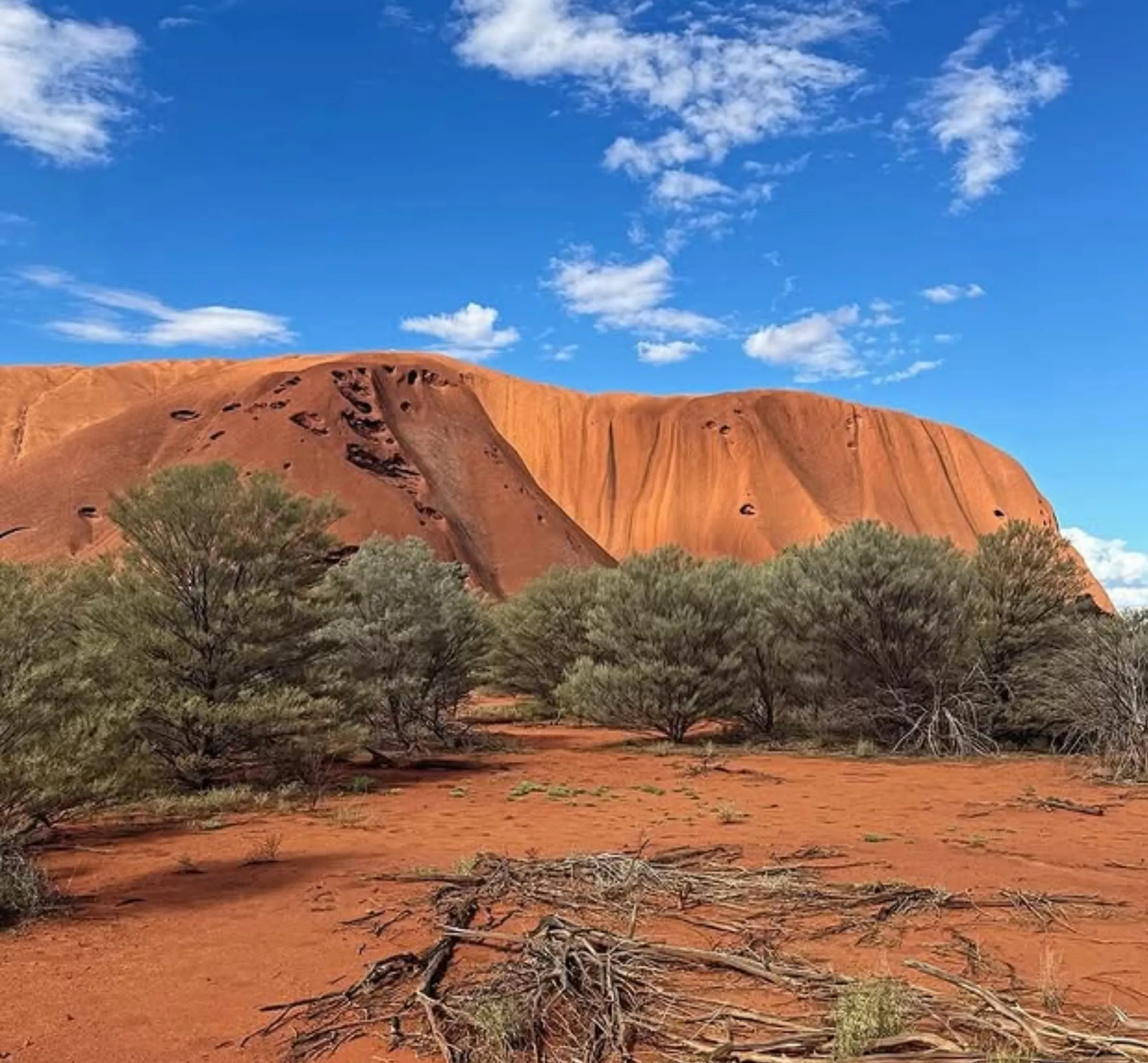
Pay attention to signage throughout Uluru-Kata Tjuta National Park that clearly marks restricted zones. Take photos in designated areas and opt for ranger-guided tours or an Uluru tours with Anangu guides to understand the deeper stories behind the visible landscape.
Walking Off the Designated Trails
Why It’s Not Allowed:
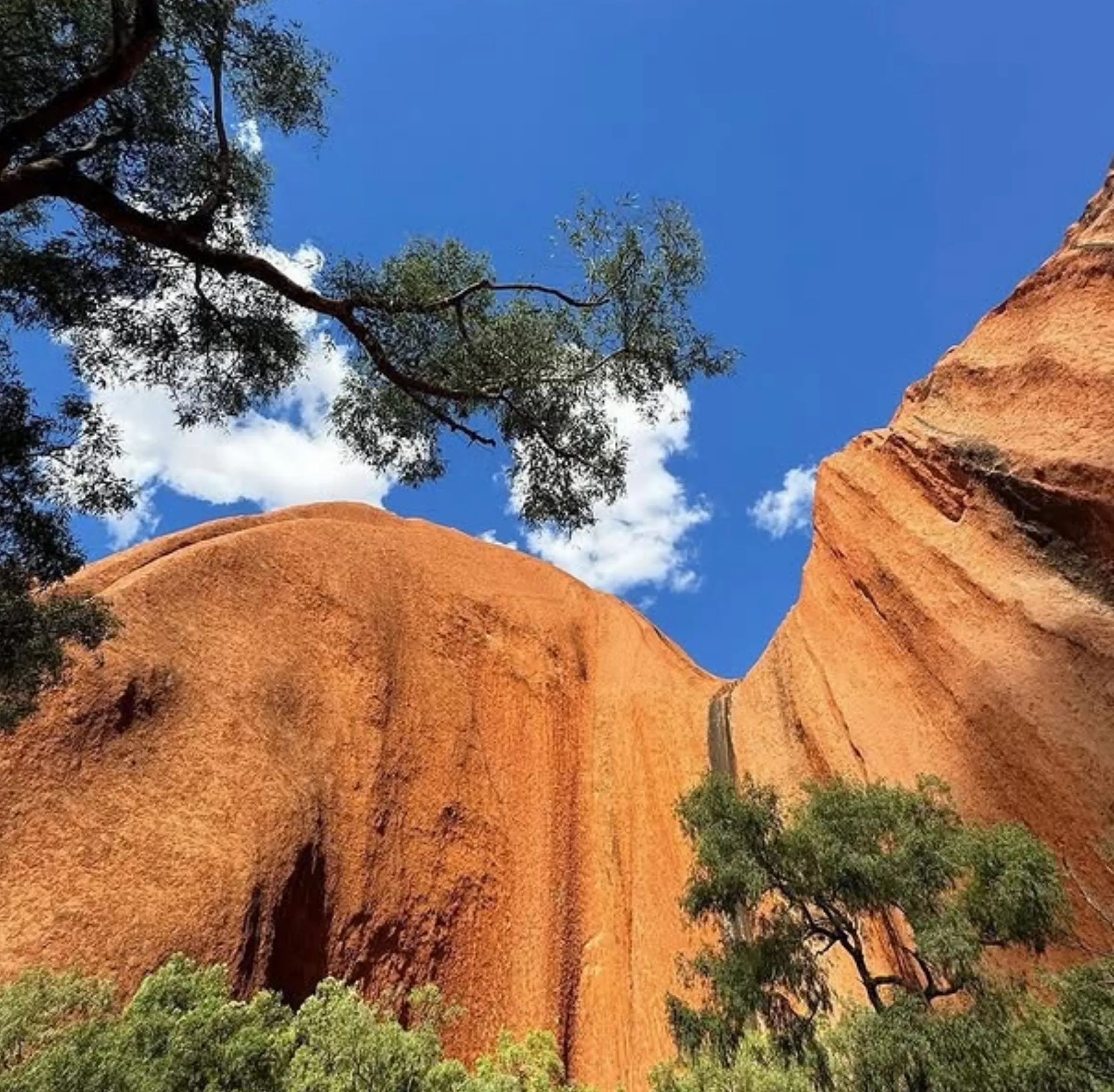
Leaving the marked paths can damage fragile desert flora and disturb animal habitats. It may also bring visitors too close to sacred sites. Park management and Traditional Owners have worked together to map out where you can safely and respectfully walk.
Tip:
Stick to official walking trails like:
- Mala Walk
- Kuniya Walk to Mutitjulu Waterhole
- Walpa Gorge Walk at Kata Tjuta
These trails are safe, scenic, and packed with interpretive points. Want to maximise your insight? Book a guided 2 day Uluru tour with Wayoutback Tours for fully supported experiences.
Drones Are Not Permitted
Why It’s Not Allowed:
Drone use is banned in Uluru-Kata Tjuta National Park unless you have a special permit. Drones can disturb wildlife, interfere with cultural privacy, and distract other visitors.
What to Use Instead:
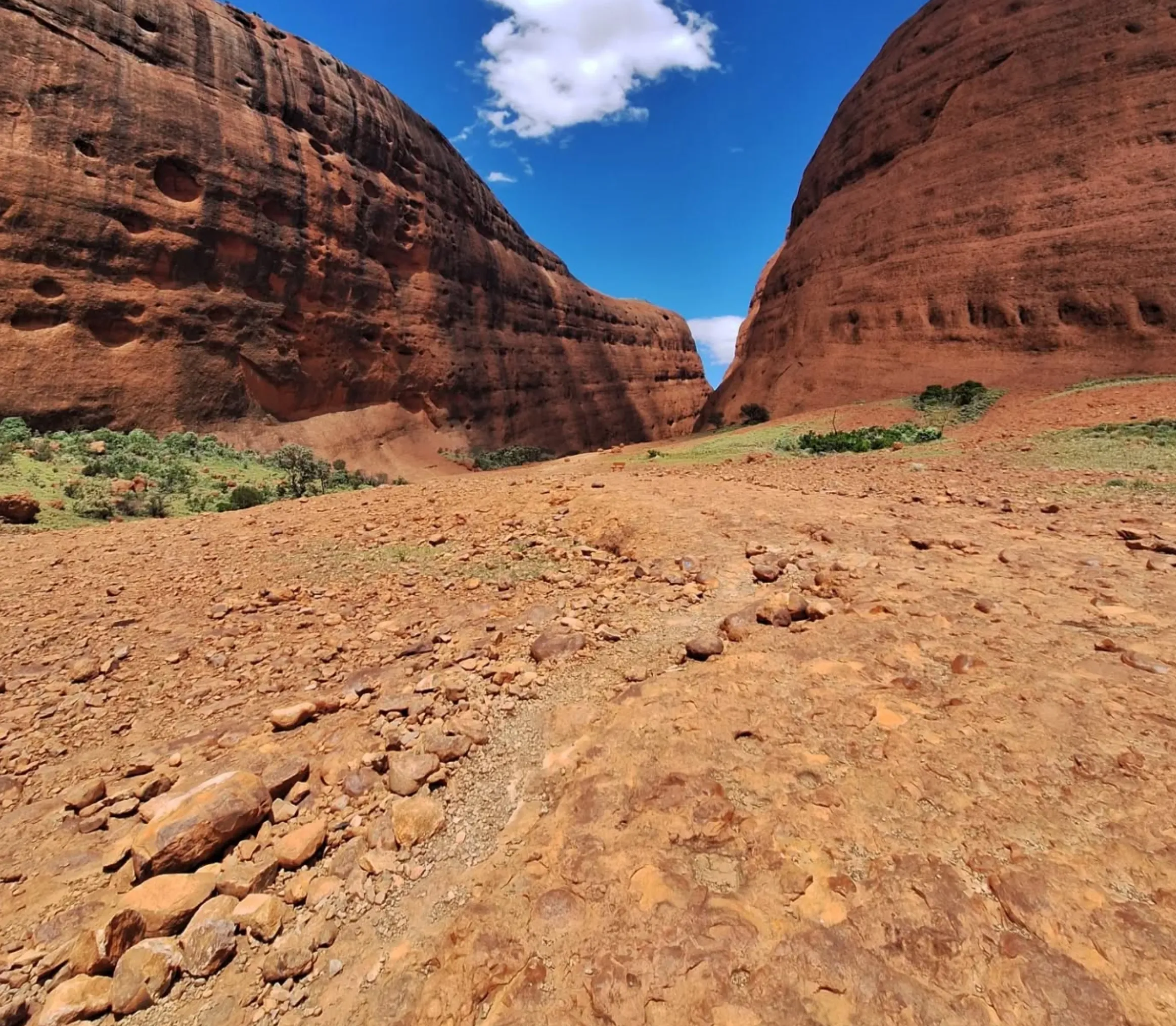
Bring a good zoom lens or consider joining a professional photography tour where local guides can help you capture Uluru’s majesty without violating park rules.
For unforgettable footage without breaking the rules, consider booking an Uluru 3 day tour. These extended packages often include sunrise and sunset viewings at the best permitted locations for photos and videos.
Fires and Firewood Collection Are Prohibited
Why It’s Not Allowed:
Open fires and gathering wood within the park are banned to protect native vegetation and reduce bushfire risk. The desert ecosystem is fragile, and removing fallen timber affects local species that depend on it.
Instead:
Use fuel stoves in designated camping areas or stay at Ayers Rock Campground, where communal BBQS are available. Always follow fire bans and local regulations.
Many campgrounds included in 2 day Uluru tour from Alice Springs—offer fuel stoves or shared cooking facilities to keep your stay safe and sustainable.
Pets Are Not Allowed Inside the National Park
Why It’s Not Allowed:
Dogs and other pets are not allowed in Uluru-Kata Tjuta National Park due to the risk they pose to native wildlife and the cultural sensitivities of the area. Even service animals require special clearance.
Tip:
Leave your furry friends in pet-friendly accommodation in Alice Springs or Yulara. Many local kennels provide short-term pet boarding.
If you’re on a group experience like an Uluru 3 day tour, pet care won’t be an issue, as these tours are fully organised with pet-free transport and accommodations.
Touching Rock Art or Sacred Features
Why It’s Not Allowed:
Uluru and Kata Tjuta contain ancient rock art that dates back thousands of years. Touching these sites can cause irreversible damage due to oils from human skin or accidental wear.
What to Do:
Look but don’t touch. Visit the Cultural Centre near the base of Uluru for exhibitions and storytelling that explain the meanings behind the artwork and sacred formations. Many Uluru tour include time at this site.
Camping Outside Designated Areas
Why It’s Not Allowed:
Bush camping is not permitted inside Uluru-Kata Tjuta National Park. Wild camping can damage the landscape, threaten cultural sites, and create safety risks.
Where to Stay:
Camp legally at Ayers Rock Campground, which offers powered and unpowered sites, laundry facilities, and camp kitchens. Alternatively, try Curtin Springs Wayside Inn for a budget-friendly stay just outside the park.
Littering and Waste Disposal Violations
Why It’s Not Allowed:
Leaving rubbish, including food scraps or used tissues, is strictly prohibited. Not only does it spoil the natural beauty, but it also endangers local wildlife and disrespects sacred land.
Do This Instead:
Use the waste and recycling bins provided in the park and around the Ayers Rock Resort. Carry a reusable water bottle and plan ahead with biodegradable bags and containers.
Alcohol Restrictions
Why It’s Not Allowed:
Alcohol is regulated in and around Uluru-Kata Tjuta National Park due to its cultural impact and local community rules. Consumption is limited to licensed venues like those at Desert Gardens Hotel or Outback Pioneer Hotel.
Tip:
If staying at Ayers Rock Resort, enjoy a cold drink at the bar, not out in the park. Always check local alcohol policies, especially if travelling from Alice Springs.
Entering the Park Without a Pass
Why It’s Not Allowed:
All visitors need a valid Park Pass to enter Uluru-Kata Tjuta National Park. Proceeds go toward maintaining the park and supporting Traditional Owners.
How to Get It:
Buy your pass online before arrival or at the entry station. Options are available for single and multi-day visits, with family pricing and seasonal discounts.
Ignoring Cultural Protocols and Signage
Why It’s Not Allowed:
Many areas around Uluru and Kata Tjuta are culturally sensitive. Ignoring signs or failing to follow Anangu protocols is deeply disrespectful and may result in removal from the park.
What to Do:
Educate yourself before you go. Read the provided materials, listen to park rangers and Traditional Owners, and follow designated walkways and photo rules. It’s a simple way to honour thousands of years of continuous culture.
Feeding or Approaching Wildlife
Why It’s Not Allowed:
Feeding animals disrupts their natural diet and behaviour. Getting too close to dingos, snakes, lizards, or birds can be dangerous and is discouraged by Parks Australia.
Respect Wildlife:
Use binoculars and cameras to observe from a distance. Uluru tours often include wildlife viewing opportunities that are safe and guided.
Summary: What Is Not Allowed at Uluru?
| Not Allowed at Uluru | Why | Alternative |
|---|---|---|
| Climbing Uluru | Culturally offensive & unsafe | Base Walk |
| Sacred site photography | Protects Tjukurpa | Guided tour |
| Leaving trails | Damages environment | Marked walks |
| Drone use | Disruptive, permit only | Use a camera |
| Fires & wood collection | Fire risk, habitat loss | Use camp kitchens |
| Pets | Wildlife and cultural reasons | Kennels nearby |
| Touching rock art | Causes damage | Cultural Centre |
| Wild camping | Damages land | Ayers Rock Campground |
| Littering | Ecological harm | Use bins |
| Alcohol in the park | Cultural laws | Licensed venues |
| No park pass | Entry violation | Buy online |
| Ignoring signs | Disrespectful | Follow signage |
| Feeding wildlife | Disrupts ecosystem | Observe from afar |
Nearby Destinations Worth Exploring
Your visit to Uluru doesn’t stop at the Rock. Explore nearby highlights such as:
- Kata Tjuta (The Olgas) – With domed formations and walks like Walpa Gorge and Valley of the Winds.
- Kings Canyon – A dramatic gorge in Watarrka National Park, ideal for rim walks and scenic flights.
- Curtin Springs Station – A free camping stop, with an art gallery, cafe, and lookout views.
Practical Travel Tips
- Best visited during the cooler months (May to September) when daytime temperatures are mild.
- Carry plenty of water, wear sun protection, and pack warm layers for the desert’s cold nights.
- Respect Anangu culture by participating in Uluru tours that include cultural storytelling and traditional bush tucker experiences.
- Consider a day trip from Alice Springs or a fully guided 4 day Uluru tour for a deeper journey through the region.
Final Thoughts
Visiting Uluru is not just about ticking off a bucket list landmark—it’s about connecting with Country, culture, and community. By understanding what’s not allowed at Uluru and why, you’ll help preserve its cultural significance, ensure safe and sustainable travel, and leave with a deeper appreciation of Australia’s spiritual heart.
So plan with care, respect the rules, and let Uluru’s ancient desert landscapes speak for themselves.
FAQ
Can you climb Uluru?
No, climbing Uluru is no longer allowed. The practice was officially banned in 2019 out of respect for the Anangu Traditional Owners and due to safety and environmental concerns. Instead, consider joining an Uluru tour that includes the scenic Uluru Base Walk and cultural insights along the way.
Are drones allowed in Uluru-Kata Tjuta National Park?
No, recreational drones are prohibited within the park. This rule protects wildlife, preserves cultural privacy, and ensures a peaceful experience for all visitors. If you’re hoping to capture stunning views, opt for an Uluru 3 day tour with sunrise and sunset photo stops.
Can I camp anywhere inside the park?
Camping is only allowed in designated areas like Ayers Rock Campground. Bush camping or setting up camp inside the park’s walking areas is not permitted. Many 2 day Uluru tours from Alice Springs include legal and comfortable overnight stays in the area.
Do I need a Park Pass to visit Uluru?
Yes, all visitors entering Uluru-Kata Tjuta National Park must purchase a valid Park Pass. These are often included when booking reputable Uluru tours, including 2 day Uluru tours or longer guided trips.
Can I bring alcohol into the national park?
Alcohol is restricted within the park itself. You may only drink in licensed venues such as those in Ayers Rock Resort. If you’re part of an organised Uluru tour, drinks will typically be arranged in accordance with local laws and regulations.