 by
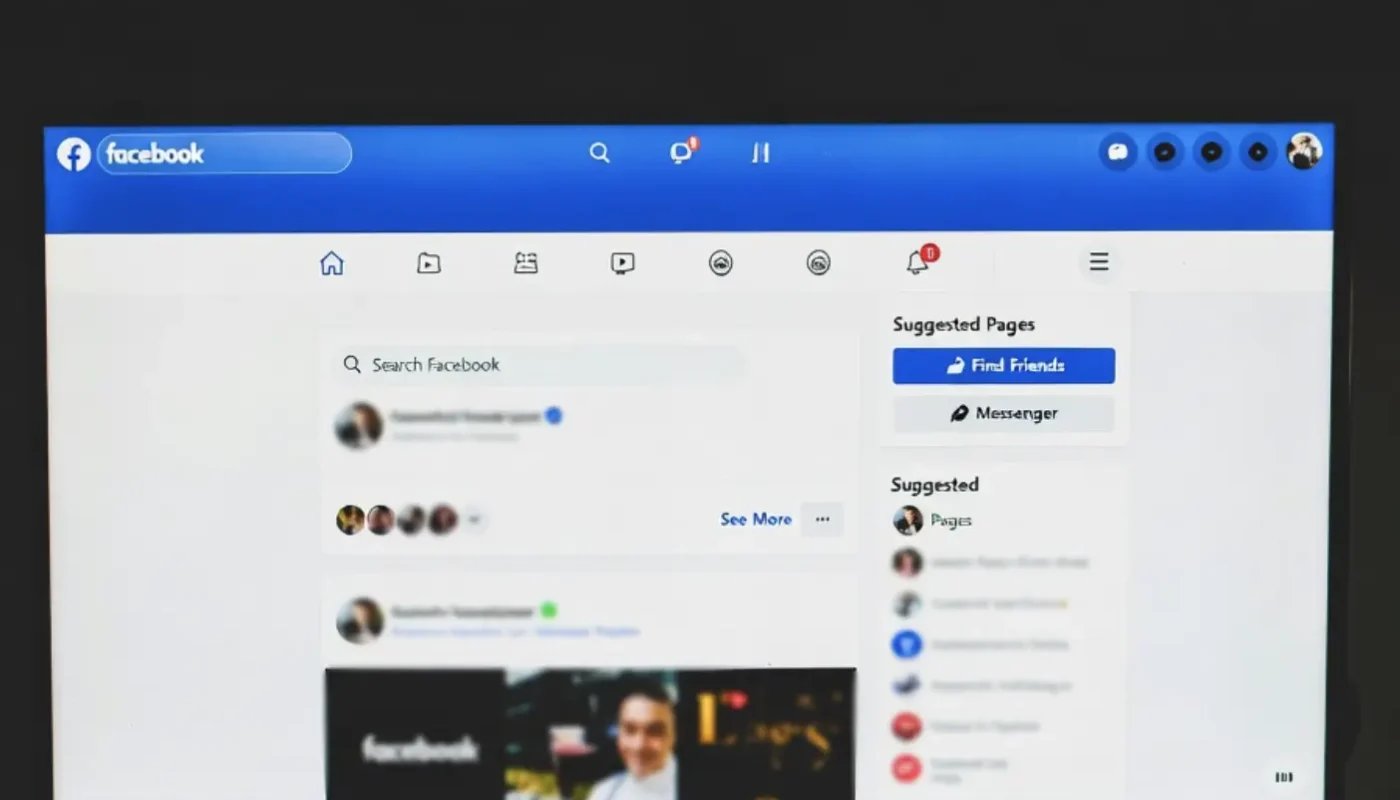
by Facebook ads in Brisbane: why conversions API makes the Pixel obsolete. A wholesale shift in how digital advertising platforms deal with conversion data is underway. For years, the Facebook Pixel had been the go-to tracking tool for advertisers running social media campaigns. But with browser restrictions, signal loss, and tougher data privacy regulations on the rise, that system’s got some serious limitations.
For companies here in Brisbane pumping big bucks into social media ads, Google Ads & other performance media, this is straight up affecting how well their campaigns are doing and how accurately they can report on them. The algorithms use clean conversion signals to work out who the valuable customers are, so when those signals start to go missing or get all muddled up, you start to see campaign efficiency take a hit.
At Karma Media, we do a lot of audits on accounts where what the platform is telling us just doesn’t add up to the real-world revenue picture. Business owners running Facebook ads in Brisbane often think the platform is failing them when the real issue is their tracking infrastructure just isn’t up to scratch.
The Conversions API is the answer to all this, sending event data straight from a website’s server rather than relying on browser tracking. This gives us reliable signals and higher-quality data for the algorithms to work with.
Optimised Campaign Architecture
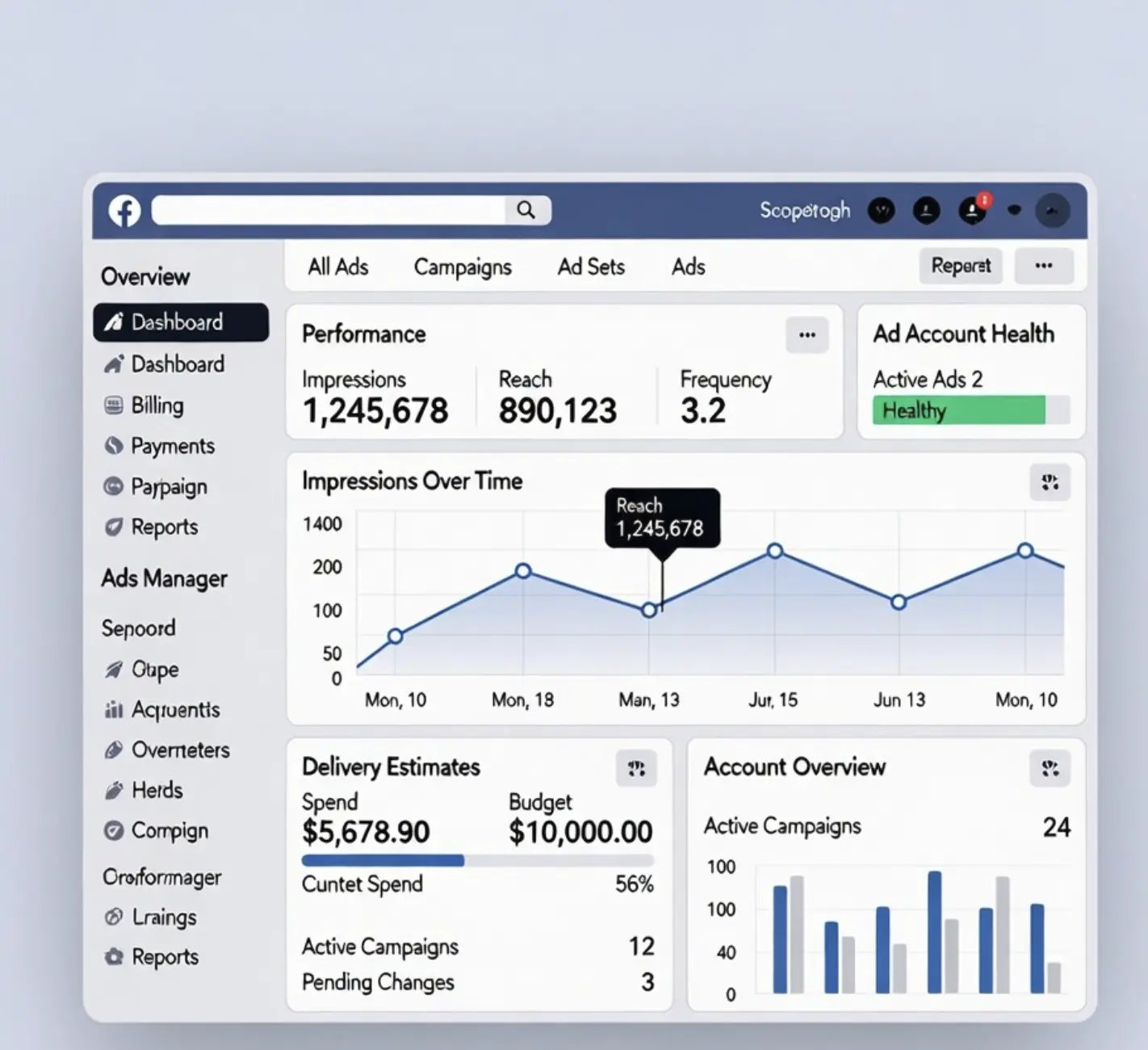
How well a campaign performs comes down to the quality of the data that’s feeding into the algorithm. If the data starts to trend south, even the best-funded campaigns can lose steam.
There are loads of businesses still running campaigns the way they would have under the old Pixel-only system. This scatters conversion signals all over the place, and it’s a nightmare getting the optimisation systems to pick up on patterns.
A Signal Consolidation Strategy That Actually Works
Modern ad platforms need concentrated conversion signals to function properly. So, some key architectural principles include:
- keeping the number of optimisation events nice and tight
- making sure each campaign is getting enough conversion volume
- and for goodness sake, stop splitting traffic all over the shop across dozens of audiences – that just weakens the algorithm’s ability to tell who the profitable customers are!
If you’re running Facebook ads in Brisbane, it’s often a good idea to simplify your campaign structure so the system can learn from it more quickly.
Funnel Stage Alignment That Makes Sense
A good ad campaign should align with the different stages of buyer intent, not just a bunch of fragmented targeting experiments.
| Stage | Channel Role | Optimisation Event |
| Prospecting | Meta’s social media acquisition | Purchase or Lead |
| Consideration | Google Ads search campaigns | Purchase |
| Conversion | Retargeting across platforms | Purchase |
Separating out your campaigns by funnel stage really helps you get a clear picture of how things are working and highlights how Assisted Conversions are playing out across multiple channels.
Turning Traffic Into Sales: The Conversion Funnel
Advertising gets you seen – but it’s the conversion systems that bring in the cash
When we audit accounts that aren’t doing well, the problem’s usually not with the ad platform itself, but somewhere in the conversion funnel.
A conversion funnel that really delivers creates a clear path from someone showing interest, right through to making a purchase.
Where does the traffic come from?
Getting people to your website or landing page isn’t about just one thing these days.
Traffic sources can include things like:
- running ads on Meta’s social media and hopefully getting people to click on them
- people searching for something specific on search engines, and then click on a high-intent keyword campaign
- retargeting ads that reach people who’ve visited your site before
- and also trying to find new people who look like your existing customers through lookalike audiences
Each of those channels dumps the user into the same conversion environment.
How to set up a landing page that gets results
A good landing page has to convince the visitor to take action quickly.
We get the best results by prioritising the design, making it easy to see what’s on offer at a glance, and then gradually revealing more information as the visitor moves through the buying process. Oh, and it’s got to load quickly too – that means using modern web development practices that also keep things accessible for people with colour blindness, or those with other accessibility needs.
How to get better data from your conversions
Using the Conversions API to track what happens on your server is a much better way to get quality signals. It sends events from the server and makes a big difference.
Typical events would look something like:

| Event Type | Function |
| ViewContent | Product or page view |
| AddToCart | Shopping intent |
| InitiateCheckout | Purchase preparation |
| Purchase | Completed transaction |
Events are deduplicated with browser events to maintain reporting accuracy.
Data Integration Layer
It’s time to see the bigger picture with customer tracking extending well beyond the website itself.
By incorporating CRM data, businesses can get a handle on the full lifecycle of each customer, which in turn yields more bang for their buck by identifying which leads and purchases deliver the highest lifetime value.
Creative Testing That Improves Efficiency
How a campaign’s creative performs is what determines whether advertising actually converts traffic into customers.
Even if the tracking side of things is working as it should, a weak creative can still hold you back from achieving the results you want.
At Karma Media, we follow a structured experimentation framework to optimise our creative, far from mindless ad hoc testing.
A Firm Hand on Experiment Design
In our creative tests, we keep things simple by isolating each variable you’re testing.
For instance, we might test out different hooks, offers or visual formats, keeping the rest of the ad (such as the audience it targets and the budget) the same. This way, we can really understand what drives things and what works.
The Real Performance Metrics You Should Be Using
Lots of businesses still use engagement metrics like likes and comments to evaluate their content. But the thing is, these metrics don’t always add up to increased profitability.
It’s the real metrics like conversion rate, cost per purchase and contribution margin that actually matter and will tell you what a given ad is really doing.
One retailer in Brisbane running Facebook ads discovered that a testimonial-based ad might not get as many clicks, but its visitors were happy to shell out more cash. If you only looked at engagement metrics, you’d probably get it wrong.
Creative insights don’t just stop at advertising; they also inform your broader Content Marketing strategies on landing pages, email campaigns and other channels.
Getting Attribution Right In This Privacy-Driven World
Digital advertising is becoming harder to track due to the growing number of privacy restrictions.
Browser restrictions, device limitations and getting user consent have all but crippled traditional pixels’ ability to capture conversion events.
Why Server-Side Tracking is a Game Changer
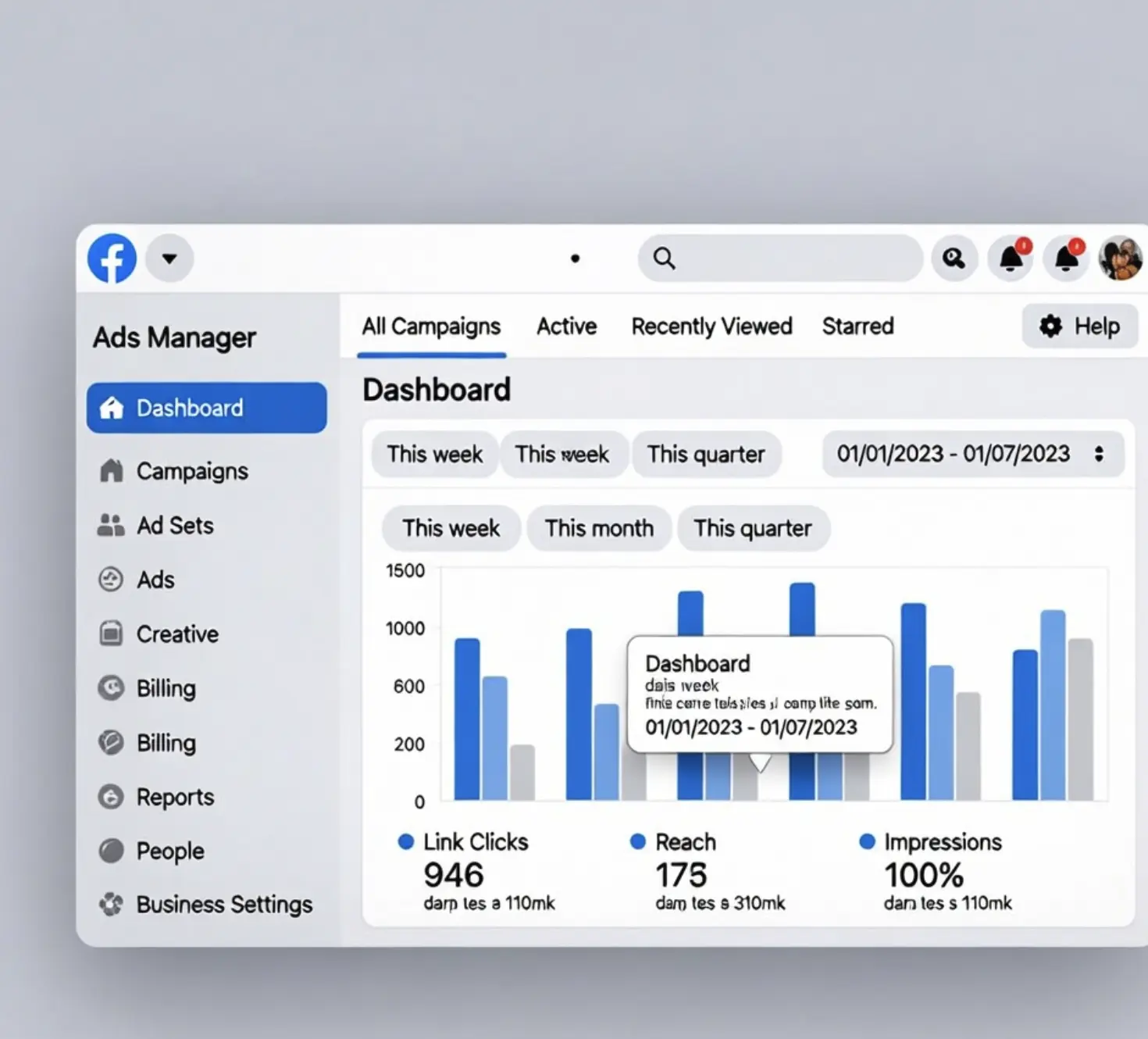
Conversions API sends events from the website server directly to the advertising platform. Because the data comes from the server, not the browser, it gets past many of the restrictions that stop traditional tracking from working in the first place.
The benefits include stronger event matching, improved attribution visibility and more reliable optimisation signals.
By combining server-side tracking with first-party CRM data, you get a much clearer picture of how your marketing is really performing.
Making It Work
There are a few different ways businesses can implement server-side tracking, but it’s usually one of these.
Some e-commerce platforms have native integrations that make it much easier. More advanced configurations might involve using tag management systems or doing a custom backend integration.
When businesses finally get it done, they often see a big improvement in reporting accuracy across all of their Facebook ads in Brisbane campaigns.
Profit-Focused Budget Allocation
Scaling up your ad budget without a firm grip on your finances can all too easily send your profitability packing
Effective scaling requires a solid plan for allocating the budget.
A Three-Layer Budget Structure That Just Makes Sense
A budgeting approach that’s going to fly is one that divvies spending up into three categories.
The bulk of the cash flows into stable acquisition campaigns because they reliably bring in customers who turn a profit.
Testing campaigns are about trying out new people to talk to, new lines, and different ways of saying it. These ones run with a budget that’s been dialled back so you can see if you’ve got a winner on your hands.
Remarketing campaigns focus on turning people who’ve already shown interest in the brand into customers.
| Budget Layer | Purpose |
| Acquisition | Generate new customers |
| Testing | Identify scalable opportunities |
| Retargeting | Convert warm audiences |
Keeping an eye on Share of Voice across all platforms is key to ensuring your brand stays top of mind as you expand your reach.
Paid Acquisition With Meta And Google
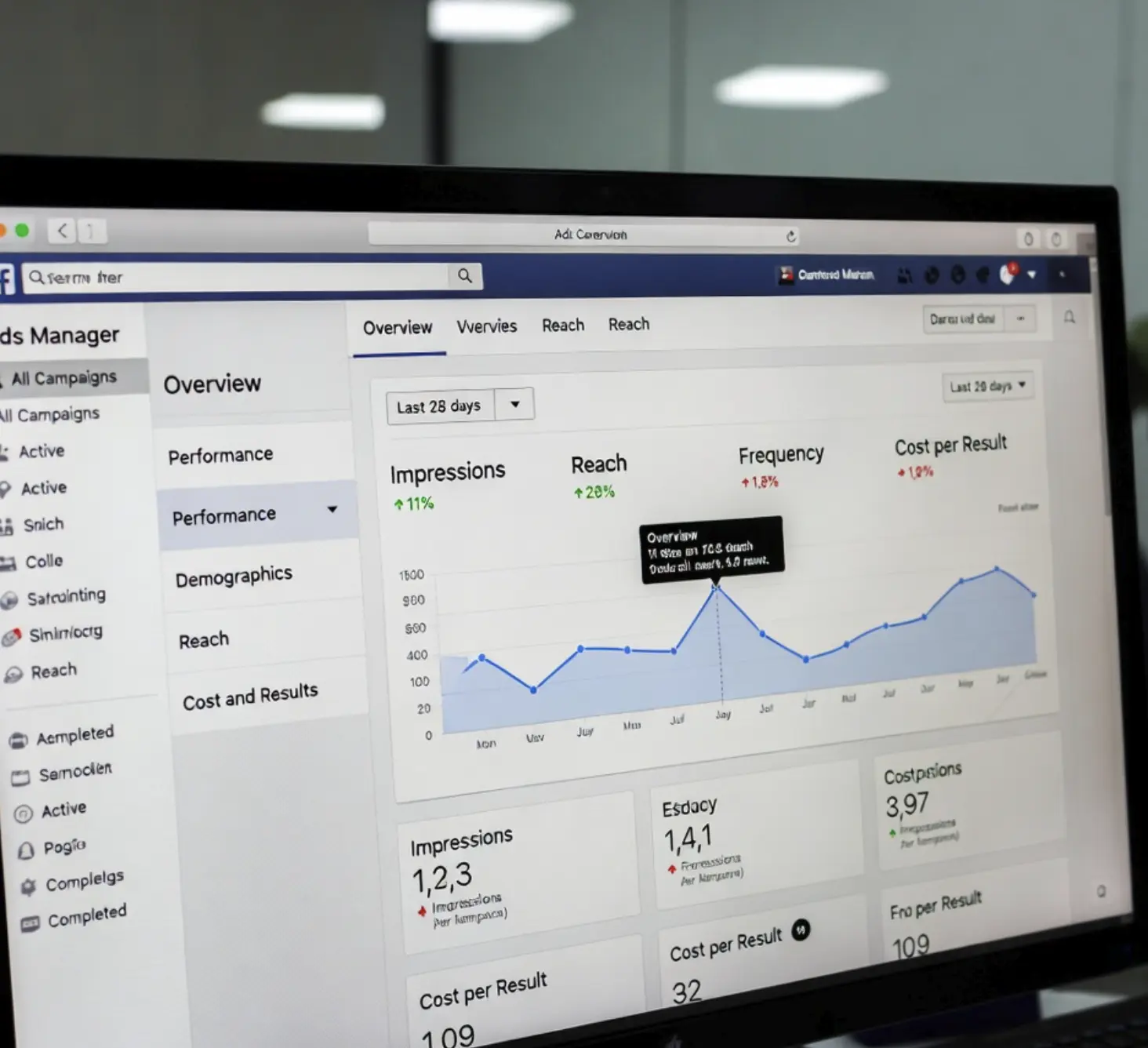
To build a strong marketing strategy, you need to spread out your demand generation across multiple platforms. Think of it like planting multiple seeds in the garden – that way, you’ve got a better chance of getting some to grow, even if one gets choked out.
Businesses that put all their eggs in one basket risk being left high and dry if things start to go south on that one platform.
Keeping an eye on Share of Voice across all platforms is key to ensuring your brand stays top of mind as you expand your reach.
Platform Roles Within The Funnel
| Platform | Strategic Role |
| Meta social media | Introduce new audiences to the brand |
| Google Ads | Capture existing search demand |
| Email marketing | Retain and re-engage customers |
Meta campaigns pick up plenty of eyeballs and introduce new products to people who might actually be interested. Google campaigns, on the other hand, hook people when they’re actively searching for answers on search engines. Then there’s email, which nags the existing mailing list to come back for more – often successfully!
All these channels work together to build a rock-solid acquisition machine.
Lifetime Value Vs Acquisition Costs
The cost of acquiring new customers is rising across all digital platforms. Want to see your business make some real, long-term cash? Then you’ll need to focus on boosting each customer’s lifetime value. All that effort to cut down on acquisition costs is just not going to cut it.
Winning Strategies To Get More Out of Your Customers
You can make a real dent in customer lifetime value by really sticking with people after they’ve made a purchase. Send out emails to your loyal mailing list subscribers to get them to come back for more, or try to upgrade the product they already bought. Offers loyalty programmes & subscription models to get some steady cash flow coming in. And by hooking all this up to your customer database, you can start to work out which of your customers are really worth going after next.
Impact On Acquisition Economics
| Scenario | Lifetime Value | Sustainable CPA |
| Single purchase | $120 | $40 |
| Repeat customer | $280 | $95 |
Higher lifetime value lets Brisbane businesses running Facebook ad campaigns scale up their spend without killing their profits.
Brisbane Facebook Ad Strategy
The days of tracking people’s every move with browser cookies are coming to a close – but that doesn’t have to mean the end of effective advertising. It just means we need to work a bit harder to get the right data.
The businesses that come out on top are the ones that get their tracking systems up to scratch by implementing server-side tracking, giving their funnels a reboot, and ensuring all their backend data is talking to each other.
At Karma Media, we dig into the underlying systems that make an ad campaign tick and get them working properly. That might mean sorting out your attribution problems, reworking your conversion funnels, and setting up data systems that can actually deliver on the promise of reliable optimisation.
When your data system is working as it should, your ad algorithms can learn a lot faster. And that means you get to see some real predictability in your campaigns, which lets Brisbane businesses scale up their revenue with a clear head.
FAQ
What Is The Conversions API?
The Conversions API is a system that sends conversion data directly from a website server to Meta, rather than relying on browser cookies, which makes for more accurate tracking and better campaign optimisation.
Why Is Pixel-Only Tracking Falling Apart?
Browser restrictions, consent rules and device privacy settings are all making it harder for tracking pixels to fire off properly – server-side tracking is the way to future-proof your tracking against all this noise.
Can You Use A Combination Of Pixel And Server Tracking?
A lot of the time, you can use both systems together, and many platforms will even automatically remove any duplicate tracking events, so you don’t have to worry about getting your numbers mixed up.
Do Brisbane Businesses Need To Hire Web Developers To Get It Working?
Not necessarily – a lot of platforms will have built-in integrations that make it a breeze to get started. But if you need something a bit more custom, then yes, you might need some professional help.
Does Better Tracking Actually Make A Difference To Your Ad Performance?
Having a better tracking system lets your ad algorithms get a clearer picture of what’s working and what’s not, and that means they can start to identify the users that are actually going to convert for you.