
 by
by Is HLTINF005 still the gold standard? That’s a question I get a lot -usually from students thinking of enrolling, or artists looking to level up safely. And to be honest, it’s a good one because in an industry like cosmetic tattooing and skin penetration in general, doing a course just isn’t enough anymore.
At my Melbourne studio, Cosmetic Tattoo Studio Melbourne Face Figurati, I’ve seen all sides of the coin: beautifully trained artists who really get infection control, and others who’ve breezed through outdated training and have paid the price (sometimes in costly corrections and removals).
So let’s get down to brass tacks, cut through the fluff and scare-mongering – just what actually matters in 2026.
Why This Qualification Became The Industry Benchmark
Before we even decide if it’s still the gold standard, we need to understand what made HLTINF005 Maintain Infection Prevention For Skin Penetration Procedures so important in the first place.
This unit was a key part of the national training package for health and cosmetic services – dealing with the high-risk stuff like cosmetic tattooing, body piercing and advanced dermal therapies.
It tackles:
- Infection control protocols – and let’s be real, this is about a lot more than sticking to the books.
- Preventing cross-contamination – because a moment’s lapse can have serious consequences.
- Safe handling of equipment and materials – it’s not just about using the right gear.
- Compliance with public health regulations.
Let me tell you – these aren’t just a bunch of boxes to tick.
A Real Studio Perspective
I get clients coming in after dodgy treatments elsewhere – infections, healing problems, pigment rejection. More often than not, it wasn’t the machine or the pigment. It was simply a case of poor hygiene practice.
And that’s exactly what this qualification was designed to stop – especially when dealing with blood or other body fluids and the very real risks of infection.
That’s what I’ve seen, that’s why this qualification matters.
What The Research Says About Hygiene And Client Safety
Let’s step back for a moment – beauty and health aren’t worlds apart, after all.
Infection control is pretty much a non-negotiable when it comes to safe practice in skincare services – that’s the word from the Australian Commission on Safety and Quality in Health Care. Slip up on your protocols, and you can bet complications will follow.
The World Health Organisation reckons that as much as 70% of infections could be avoided if we just got good hygiene right. Think about that for a second – it’s a pretty clear reminder of why getting some proper training under your belt is so important.
For some of us – cosmetic tattoo clinics, laser places, and even higher-end facial treatments – those kinds of numbers aren’t just abstractions – they’re showing up in real-world healing results.

What You Actually Take Into The Treatment Room
Okay, so this is where things get down to earth. Nobody cares about your qualifications – they care about how you actually use them.
In the day-to-day nitty-gritty of treatments, infection control is all about making a few good habits stick. How you prep your station, how you handle equipment, and how you handle skin contact – all of these things add up to make or break client safety.
Here’s what that looks like in real terms:
| Practice Area | What It Looks Like Day-To-Day | Why Clients Notice |
|---|---|---|
| Hand Hygiene | Washing and sanitising between every step | Builds trust instantly |
| PPE Use | Gloves, barriers, clean workspace | Shows professionalism |
| Equipment Care | Using proper sterilisation equipment | Prevents complications |
| Waste Handling | Safe disposal of sharps and materials | Meets legal standards |
| Skin Prep | Assessing before treatment | Avoids unnecessary risk |
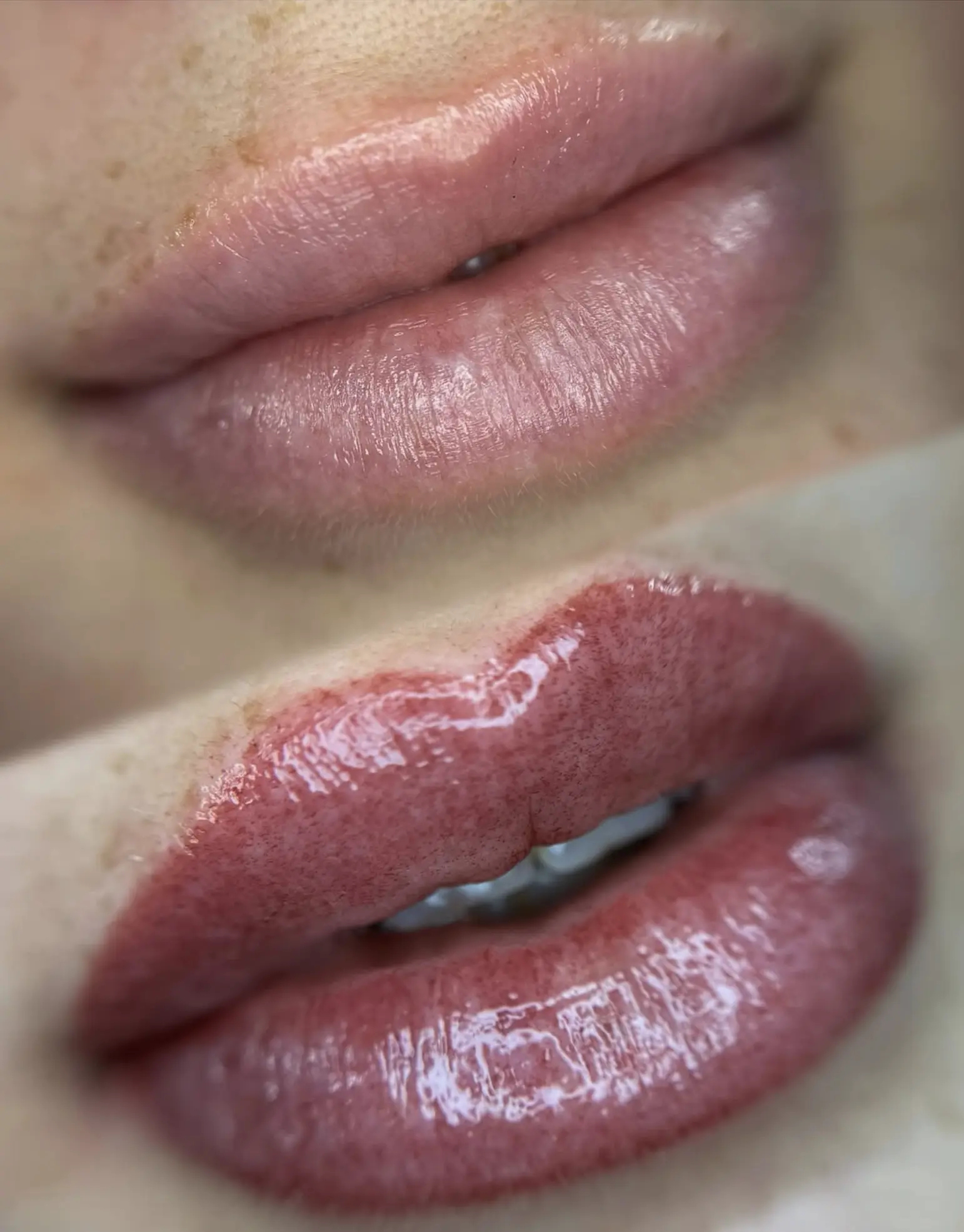
I’ve made sure the work was corrected where none of this was done properly. One lip blush client came to me with uneven healing and irritation – it wasn’t because the pigment was the problem, but because the artist had totally buggered up hygiene.
To be blunt, that’s not an uncommon story. It’s a training issue.
Why This Certificate Alone Isn’t Enough Anymore
Listen, I’m going to level with you, this qualification is a must-have, but honestly, on its own, it’s just not enough anymore.
The industry has moved on & clients have raised the bar. Treatments have become more complex, and there’s less room for error.
Here in Melbourne, we’re seeing:
- More and more specialised cosmetic tattoo clinics are popping up.
- Growth in laser removal & clinical peels – (you used to be the specialist, now you’re just one of many).
- Clients are asking an awful lot more questions before booking.
- Bureaucrats are doing their job by enforcing industry standards a lot more stringently.
So while this unit covers the basics of infection control, it isn’t going to teach you how to work confidently with the skin, pigment or just a different face shape.
At Cosmetic Tattoo Studio Melbourne Face Figurati, I’ve come across heaps of students who’ve done the theory and still feel clueless when they sit down with an actual client – especially those moving from microblading into lip blush.
What To Combine With This Training For Real Results
If you want to make it in this industry, you need to combine safety knowledge with the hands-on stuff.
That means learning about how skin behaves, how pigment settles and how different techniques affect healing. A certificate isn’t going to teach you that – it’s going to take some practice.
Loads of artists start with a lip tattoo course or go through a structured one, only to quickly discover that knowledge of infection control straight-up impacts their results.
The same goes for those moving from microblading to more advanced cosmetic tattooing – it’s not just technical, it’s all about how you keep yourself and your clients out of trouble.
& yeah, modern education often throws in a self-paced online course for the theory bit, followed by in-person practice. But if there’s no actual application – like knowing how to use sterilisation equipment properly – it’s not going to cut it.
What Melbourne Clients Expect From A Qualified Artist
Clients might not ask for your certificate face-to-face, but they definitely notice how you work.
- They notice if your setup is spotless
- They notice if you explain aftercare clearly
- They notice if you look confident or unsure
In a city like Melbourne, where clients are already comparing studios carefully, expectations are sky high. Loads are already familiar with laser courses in Melbourne & advanced skin treatments, so their standards are pretty high.
At Cosmetic Tattoo Studio Melbourne Face Figurati, we deal with clients who’ve done their research. They’re not after trends, they want safety, consistency and natural results.
Where Safety Protocols Fit Into Every Appointment
Let’s go behind the scenes of a treatment cycle – it’s where the theory meets reality.
Before a treatment, it’s all about getting ready. The setup has to be spotless, we need to do a proper assessment & get a good understanding of the client’s skin.
During the treatment, control is key. Using PPE (that’s Personal Protective Equipment – you might have heard of it), minimising exposure, and keeping your workspace clean and consistent are all crucial.
After the treatment, it’s about guiding the client. Clear aftercare advice, preventing infection while they’re healing, and setting realistic expectations – all part of the deal.
Take lip blush, for example:
- First couple of days: swelling and sensitivity
- Around day three: light flaking
- By week one: colour softens
- By week four to six, the final result settles
But if hygiene gets a bit sloppy at any stage, that timeline can get seriously derailed – and not in a good way.
The Cost Of Cutting Corners In Training
In Melbourne, the cost of proper training can vary – and quality does come at a price:
- Infection control qualification: $800–$2,000 AUD
- Full cosmetic tattoo training: $3,000–$10,000 AUD
Some providers offer flexible payment plans, which can make it easier for students to manage costs without having to choose between their wallets and their education.
When people move from microblading courses to more advanced services, they often come to realise that paying a bit more upfront can save them much more in the long run.
Why Training Also Impacts Your Online Reputation
This one’s a bit of a no-brainer: your education affects how clients see you online.
It comes down to a few simple things:
- Showing some real-world experience is a big plus.
- Demonstrating your expertise will get you noticed – and clients take notice of this.
- Being transparent about what you do and how you do it will build trust.
- Being honest about your qualifications and experience will keep your reputation spot on.
Trust us, clients can spot someone who understands safety and someone who doesn’t a mile off.
The Bottom Line For New And Existing Artists
Is it really worth doing the right thing when it comes to training? Absolutely. And here’s the thing: it’s just the starting point – not the finish line.
If you’re just starting:
- Build a solid safety foundation from the get-go.
- Invest in proper hands-on education – this is where you’ll learn the real skills.
- Look for a course that mirrors what you’d actually be doing in a real clinic environment.
At Cosmetic Tattoo Studio Melbourne Face Figurati, we’re all about doing things properly – because those shortcuts might look like a bargain upfront, but they’ll cost you in the end.
FAQ
Do I actually have to get formal infection control training to work in this field?
In most of Australia, yes, it’s actually required in some places or strongly recommended. Check your state’s regulations to be sure.
Can you start with advanced cosmetic tattoo training right away?
No, it’s generally not recommended. Unless you get the safety and hygiene part down pat first, you’re just increasing the risk of complications and subpar outcomes.
How does this unit usually get delivered?
A lot of providers do an online theory bit followed by some hands-on assessment to make sure you can actually do it in the real world.
Does this training cover hands-on cosmetic tattoo techniques?
No way – this part is purely about safety and infection control. You’ll need to do a separate course for the treatment skills.
What’s the smartest next step after you’ve got this qualification?
Get on with some hands-on training, like lip blush tattoo training or a structured lip tattoo course, and keep building your skills across different treatments.