 by
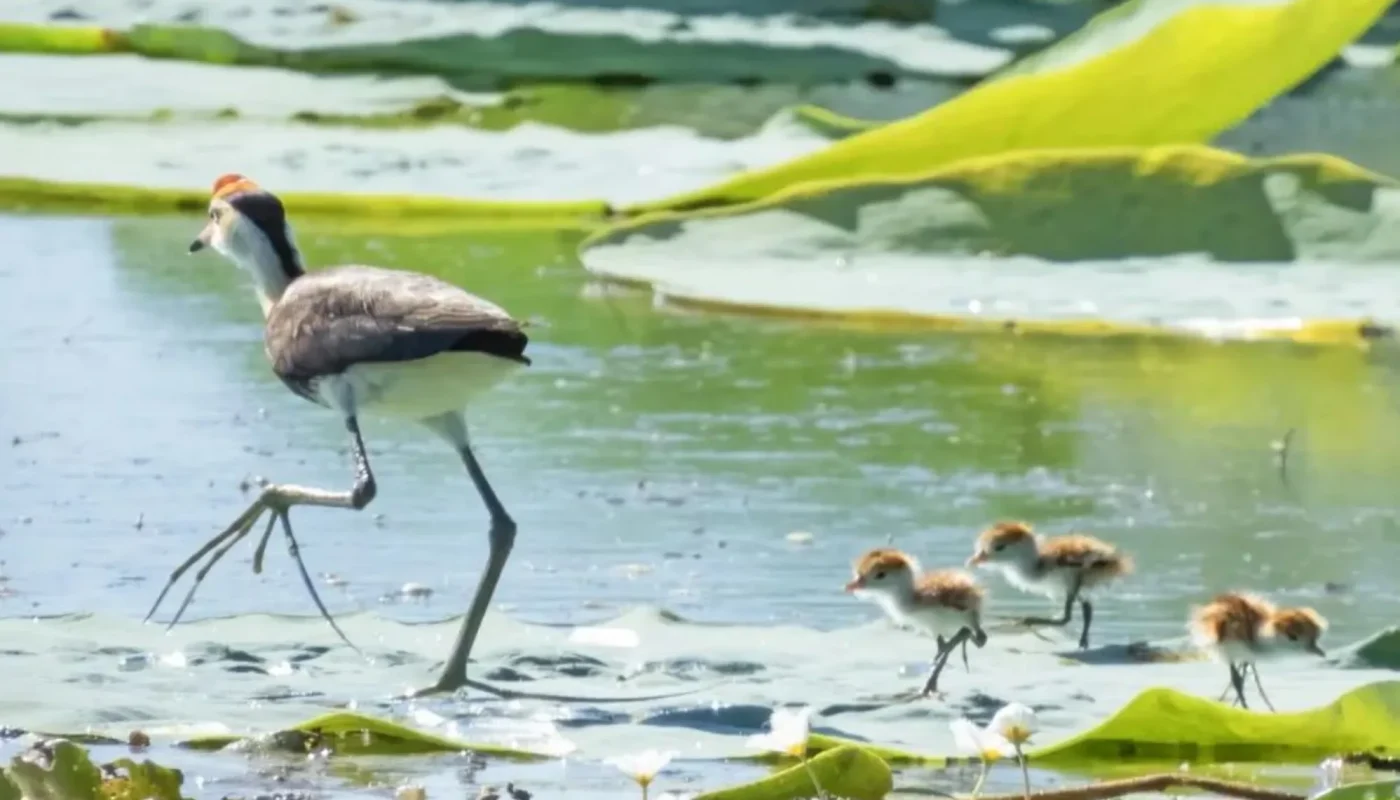
by Mamukala Wetlands, in the heart of Kakadu National Park in Northern Australia, is a window into the natural and cultural world of this amazing place. This huge, colourful wetland is home to Magpie Geese, Black-necked Storks and many other species and has been an important part of the Bininj/Mungguy culture for thousands of years. With its wet season and dry season changes, Mamukala is a perfect example of the balance between nature and history.
Cultural Significance
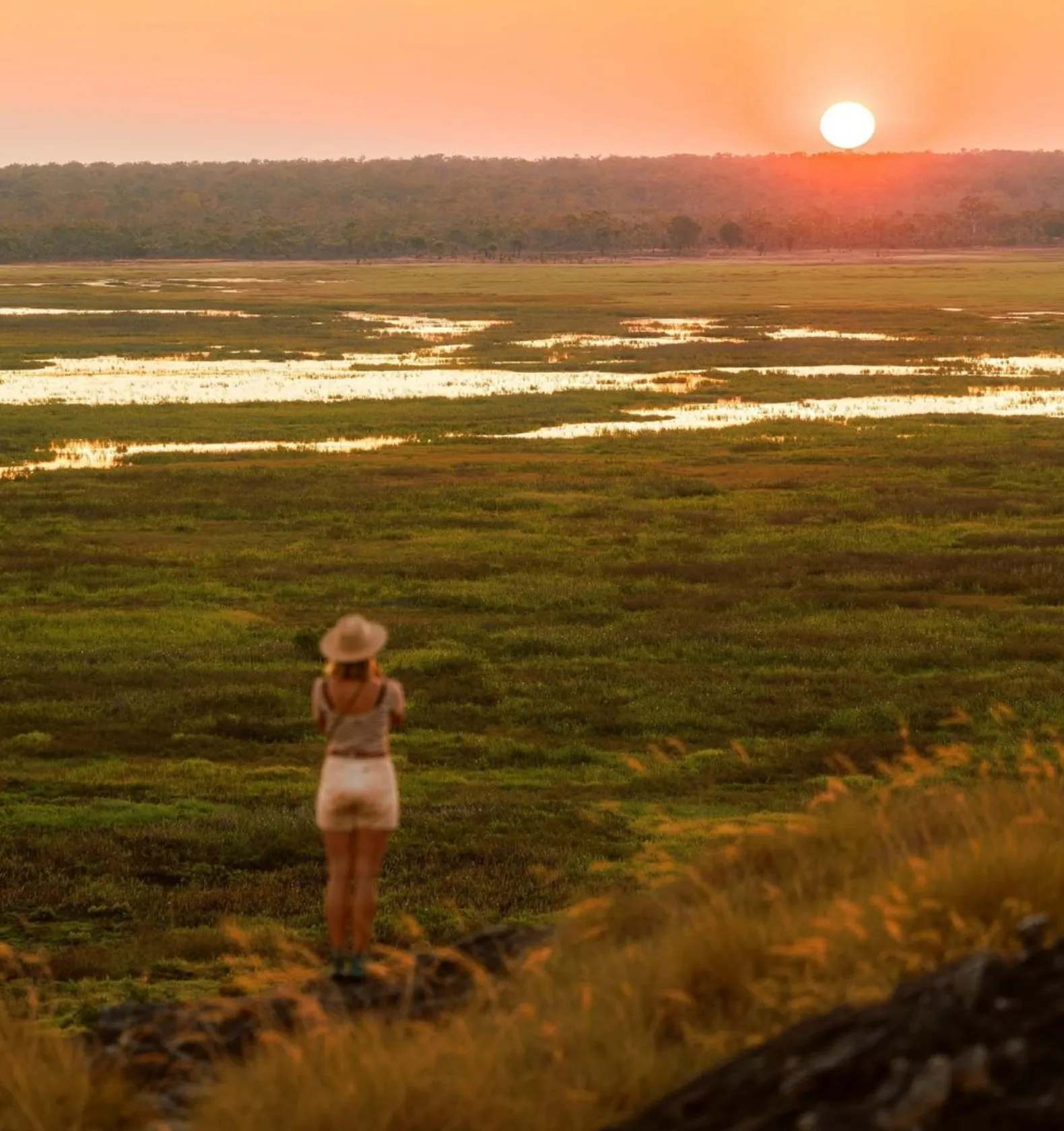
For the Bininj/Mungguy, Mamukala Wetlands is more than a pretty spot. These wetlands are part of their culture, a source of food, ceremonies and seasonal migration paths. This is aboriginal land and the traditions attached to it are part of the local Aboriginal people’s way of life.
The wet season brings big changes to the wetlands. As the waters rise, the plains flood, the fish and aquatic life thrive and the birds come in. For the Bininj/Mungguy this meant plenty of food for hunting and fishing. As the waters recede in the dry season, the grasslands come out and it’s great hunting ground for wild horses and buffalo. The Indigenous people’s careful land management, including controlled burning, has sustained the biodiversity of this country for thousands of years.
This is a result of the Bininj/Mungguy’s deep understanding of the natural world. Their traditional practices are still being honoured today as park authorities work with Indigenous communities to protect the natural and cultural values of Mamukala Wetlands.
European Exploration and Conservation
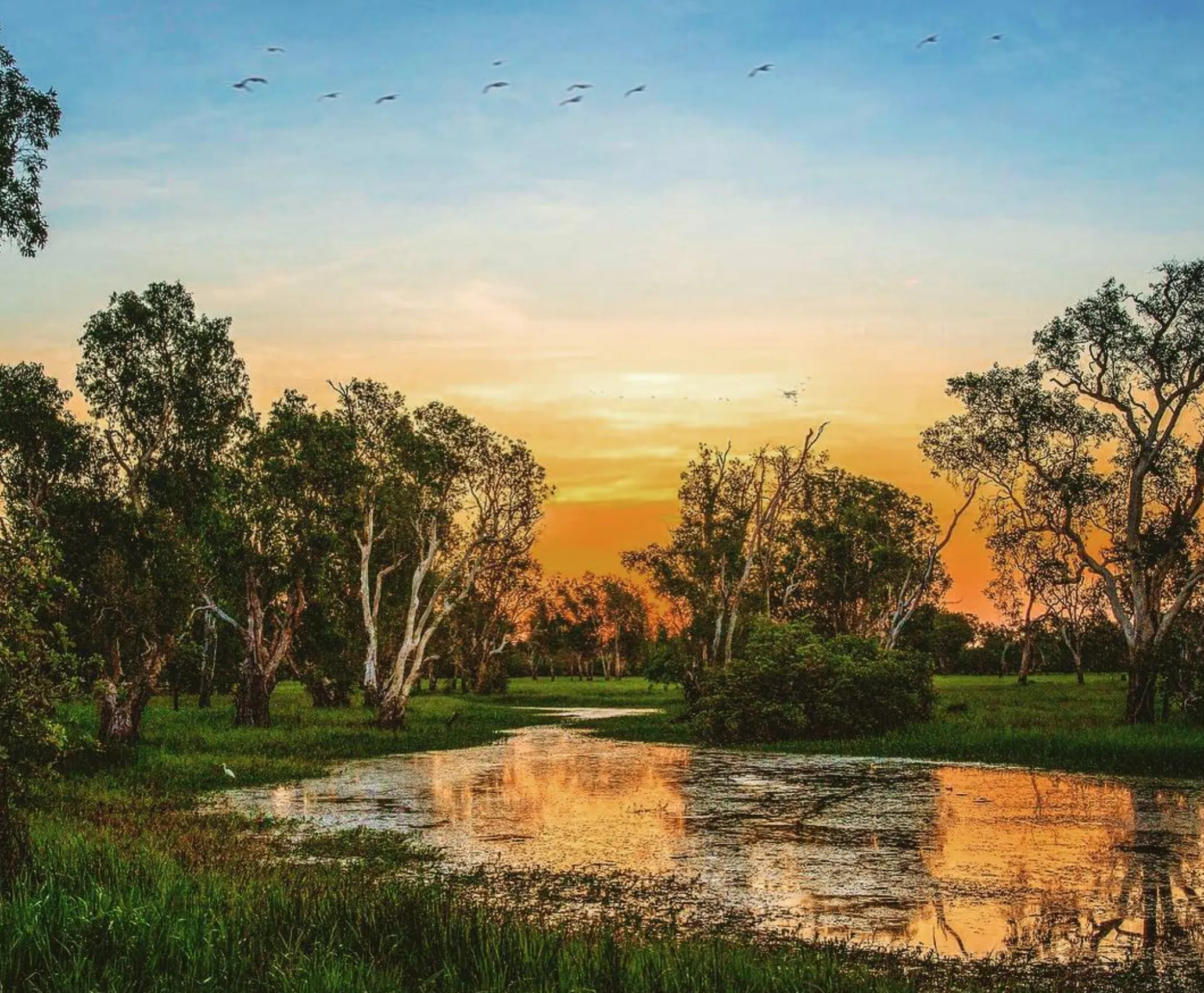
While Indigenous Australians had lived in the Mamukala Wetlands for tens of thousands of years, European settlers didn’t recognise the area’s importance. The region was largely ignored until Kakadu National Park was created in 1979 which brought attention to the environmental values of the area. The creation of the park was a turning point, so the delicate ecosystems of the wetlands would be protected and modern conservation would be based on the traditional knowledge of the Bininj/Mungguy.
Kakadu National Park, which includes famous sites like Jim Jim Falls, Twin Falls, Corroboree Billabong and Fogg Dam, is a UNESCO World Heritage Site for its natural and cultural values. The wetlands are part of this broader conservation effort and their Ramsar listing recognises their international importance as a bird and wildlife habitat.
Today visitors come from all over the world to visit Kakadu National Park and see Mamukala. Whether it’s the sandstone escarpments that make up the park’s stunning landscapes, the water lilies on the wetlands or the birds that come in during the dry season, the wetlands still have a hold on people who visit.
Wetlands Wildlife
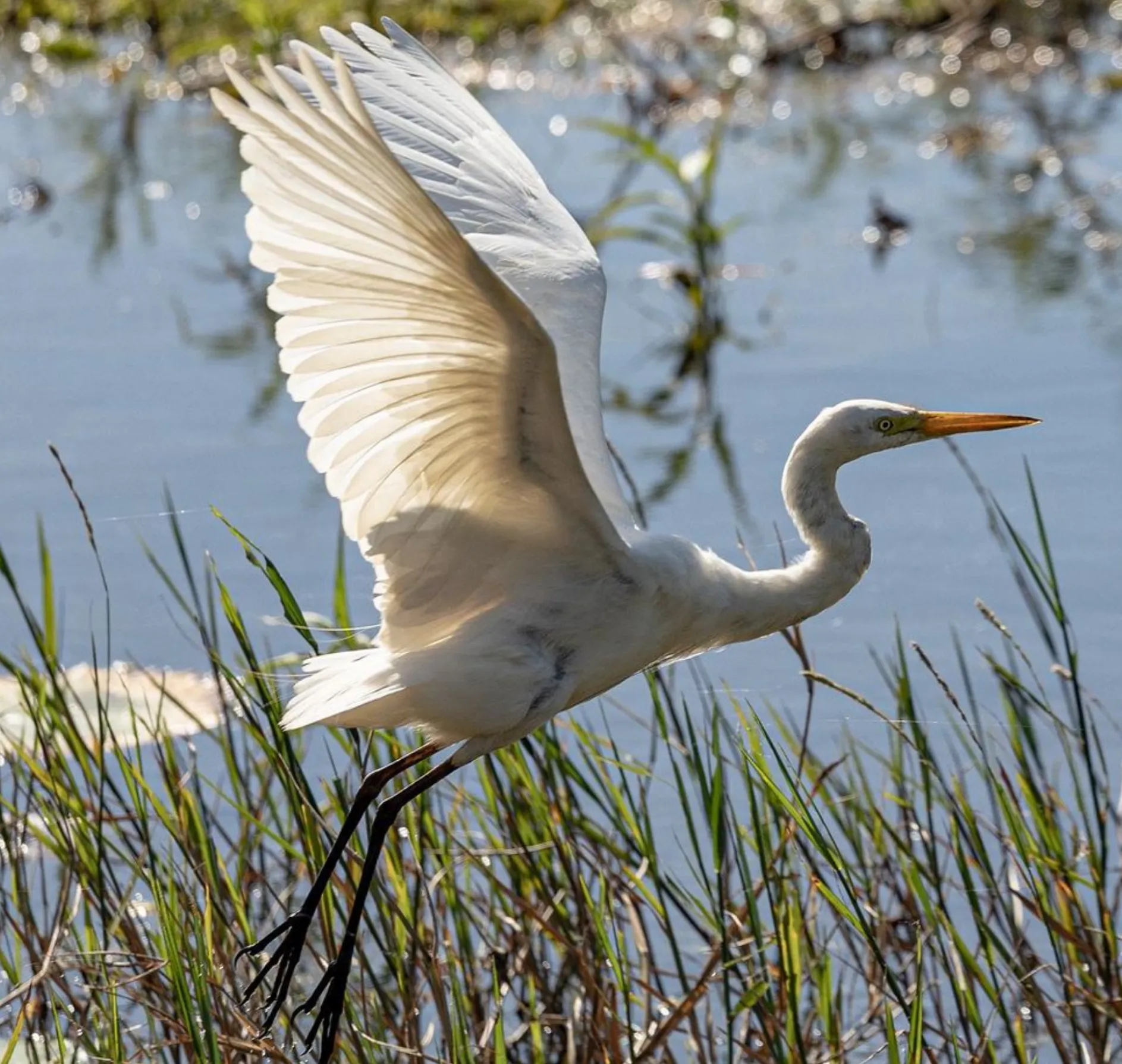
The Mamukala Wetlands are full of wildlife, but birdlife is the most abundant. The Magpie Goose is a regular sight in big flocks, especially during the dry season. The Black-necked Stork is another common sight, wading in the shallow water. Birders come to see migratory birds like Radjah Shelduck, Whistling Kite, Hooded Parrot and the rare Gouldian Finch.
The wetlands don’t stop at birds. Fish, reptiles and amphibians live in the water, Estuarine Crocodiles in the deeper pools. The balance between water levels and the ecosystem means each season brings new species to the surface. For example the wetlands are alive with life during the wet season, and during the dry season the animals congregate around the shrinking waterholes.
The wetlands are important for wildlife but also play a big role in the broader Kakadu National Park ecosystem. The wetlands act as natural filters, trapping sediment and pollutants, and help with flooding during the wet season. So Mamukala contributes to the health of the surrounding landscape, the East Alligator River and the South Alligator River which are part of the park’s hydrological system.
Getting to the Wetlands
Visiting the Mamukala Wetlands is an opportunity to see this ecosystem up close. The Mamukala bird hide gives visitors an unobstructed view of the wetlands and allows you to see the birdlife and seasonal changes in the landscape. Interpretive signage near the hide explains the history of the wetlands and their cultural significance to the Bininj/Mungguy people.
If you’re a birder, the late dry season (August to November) is the best time to visit. As the water recedes, the birds congregate in big numbers around the remaining waterholes, making it easier to see species like Partridge Pigeon, Brown Goshawk, Black Kite and Pied Heron. The lily pads bloom during this time, too.
Other attractions nearby include Anbangbang Billabong, Nourlangie Rock and the East Alligator River. If you’re willing to travel further, the Mary River, Litchfield National Park, and Katherine Gorge are all within driving distance and will give you a taste of the whole Northern Territory.

Water Shapes the Landscape
Water is the lifeblood of the Mamukala Wetlands and the seasonal changes define the area. In the wet season the landscape becomes a vast floodplain and the water level rises dramatically. This brings nutrients to the soil and the aquatic plants like water lilies and the vegetation in the paperbark swamps grow.
In the dry season the mudflats and grasslands appear and the grazing animals and birds come in. The waterholes that remain are life or death for the fish, reptiles and birds making Mamukala Wetlands one of the best birdwatching spots in Kakadu National Park.
The wetlands are also part of a larger network of waterways that includes the Adelaide River, Fitzroy River and Katherine River. These rivers are lifeblood of the park’s ecosystems and their interaction with the wetlands helps regulate the water levels across the region. You can explore these waterways further on a Yellow Water Cruise and get up close to saltwater crocodiles, birdlife and the beauty of Kakadu.
Wetlands and Conservation
As climate change, development, and tourism shape the future of Kakadu National Park, the need for strong conservation is more important than ever. The Mamukala Wetlands are a fragile ecosystem; preserving them requires an ongoing partnership between park authorities and the Bininj/Mungguy people. By combining traditional land management practices like controlled burns with modern conservation techniques, these wetlands can be protected for future generations.
Tourism plays a big role in raising awareness of the importance of places like Mamukala. Visitors to the park are asked to follow eco-friendly guidelines, stay on the tracks, and support Indigenous-led Kakadu tours that will give them insights into the cultural and ecological values of the wetlands.
FAQ
What’s special about the Mamukala Wetlands in Kakadu?
The Mamukala Wetlands are famous for their seasonal changes and biodiversity, especially the birdlife – Magpie Goose, Black-necked Stork and the dry season migrants. The wetlands are also important to the Bininj/Mungguy people.
When is the best time to visit the Mamukala Wetlands for birding?
Best time for birding is late dry season (August to November) when the water levels drop and the birds congregate around the remaining waterholes, making it easier to see Radjah Shelduck, Hooded Parrot and Pied Heron.
What cultural sites are near Mamukala Wetlands?
Nearby cultural sites are Nourlangie Rock, Injalak Hill and various Aboriginal rock art sites. These sites give visitors a deeper understanding of the region’s cultural heritage and the land’s significance to the Bininj/Mungguy people.
What else can I visit near Mamukala Wetlands?
Besides the wetlands, visitors can visit other attractions in Kakadu National Park – Jim Jim Falls, Twin Falls, Anbangbang Billabong and Corroboree Billabong. Further afield, you can visit Litchfield National Park, Katherine Gorge and the Mary River.
How can I help the Mamukala Wetlands?
By following park rules, staying on track, not disturbing wildlife and supporting eco-tourism.